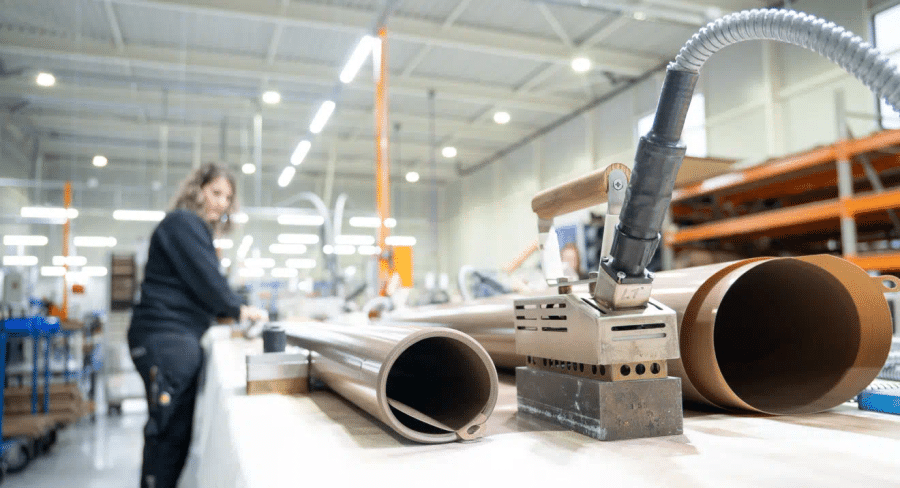
The modern industrial landscape demands materials that can withstand extreme conditions without compromising on performance or longevity. In sectors ranging from food processing to textile manufacturing, the need for reliable equipment is paramount. One specific component that has become indispensable in these environments is the high temperature belt. These belts are engineered to operate in thermal conditions that would cause standard materials to melt, warp, or degrade rapidly. Companies across the globe, including those operating in the Netherlands and Germany, rely on specialized solutions to keep their production lines moving efficiently. When searching for the pinnacle of PTFE and silicone coated fabric technology, many industry leaders turn to hardickptfe.com for their specific engineering needs. The integration of such advanced materials ensures that high heat does not become a bottleneck for productivity.
Engineering excellence for extreme thermal environments
A high temperature belt is not merely a piece of fabric but a sophisticated composite material designed for resilience. These belts often utilize a base of glass fiber or aramid, which is then coated with polytetrafluoroethylene or PTFE. This combination provides a unique set of properties that are essential for heavy duty industrial applications. The primary advantage is the ability to maintain structural integrity at temperatures that often exceed 260 degrees Celsius. Beyond thermal resistance, these belts offer exceptional chemical inertness and a low coefficient of friction. This means that even in the presence of aggressive chemicals or sticky substances, the high temperature belt continues to perform smoothly. Manufacturers who prioritize quality often source these components from hardickptfe.com to ensure they receive products that meet rigorous international standards for safety and durability.
Versatile applications across diverse global industries
The versatility of the high temperature belt makes it a staple in numerous fields. In the food industry, these belts are used in high speed ovens and cooling tunnels where hygiene and heat resistance are equally important. Because the materials used are often food grade, they provide a safe surface for baking, grilling, and frying. In the textile sector, these belts facilitate the drying of fabrics and the curing of prints, ensuring that colors stay vibrant and materials remains intact. Even in the packaging industry, the high temperature belt plays a crucial role in heat sealing processes. Whether a factory is located in London or New York, the requirement for a belt that can handle continuous thermal cycles remains constant. By visiting hardickptfe.com, businesses can explore a variety of configurations tailored to their specific mechanical requirements, ensuring that every belt is optimized for its intended environment.
Maintenance and longevity of specialized conveyor systems
Investing in a high quality high temperature belt is only the first step toward operational efficiency. Proper maintenance and selection are vital to maximize the lifespan of the equipment. Factors such as belt tension, tracking, and the diameter of the rollers can all influence how long a belt lasts under intense heat. A well maintained belt reduces downtime and prevents the costly interruptions that occur when a component fails unexpectedly. Experts suggest regular inspections to check for signs of wear or uneven heating. Furthermore, choosing the right coating thickness and weave pattern is essential for specific tasks. For instance, an open mesh high temperature belt is ideal for applications requiring airflow, such as drying or shrinking, while a solid belt might be better for smooth surface finishes. Detailed technical specifications and expert guidance are readily available at hardickptfe.com to help engineers make informed decisions.
Future innovations in heat resistant material technology
As technology advances, the demand for even more durable and efficient materials grows. The next generation of the high temperature belt is likely to feature enhanced coatings that offer even better release properties and energy efficiency. Research is ongoing in laboratories across Europe and Asia to develop composites that can withstand even higher temperatures for longer durations. This evolution is driven by the need for faster production speeds and more sustainable manufacturing practices. By reducing the energy required to move products through a heated chamber, these advanced belts contribute to a smaller carbon footprint. Staying updated with these developments is easier when partnering with a knowledgeable supplier. The team at hardickptfe.com remains at the forefront of these innovations, providing the global market with the tools needed to face the challenges of tomorrow. Through constant refinement and a commitment to quality, the high temperature belt will continue to be a cornerstone of modern industrial success.